

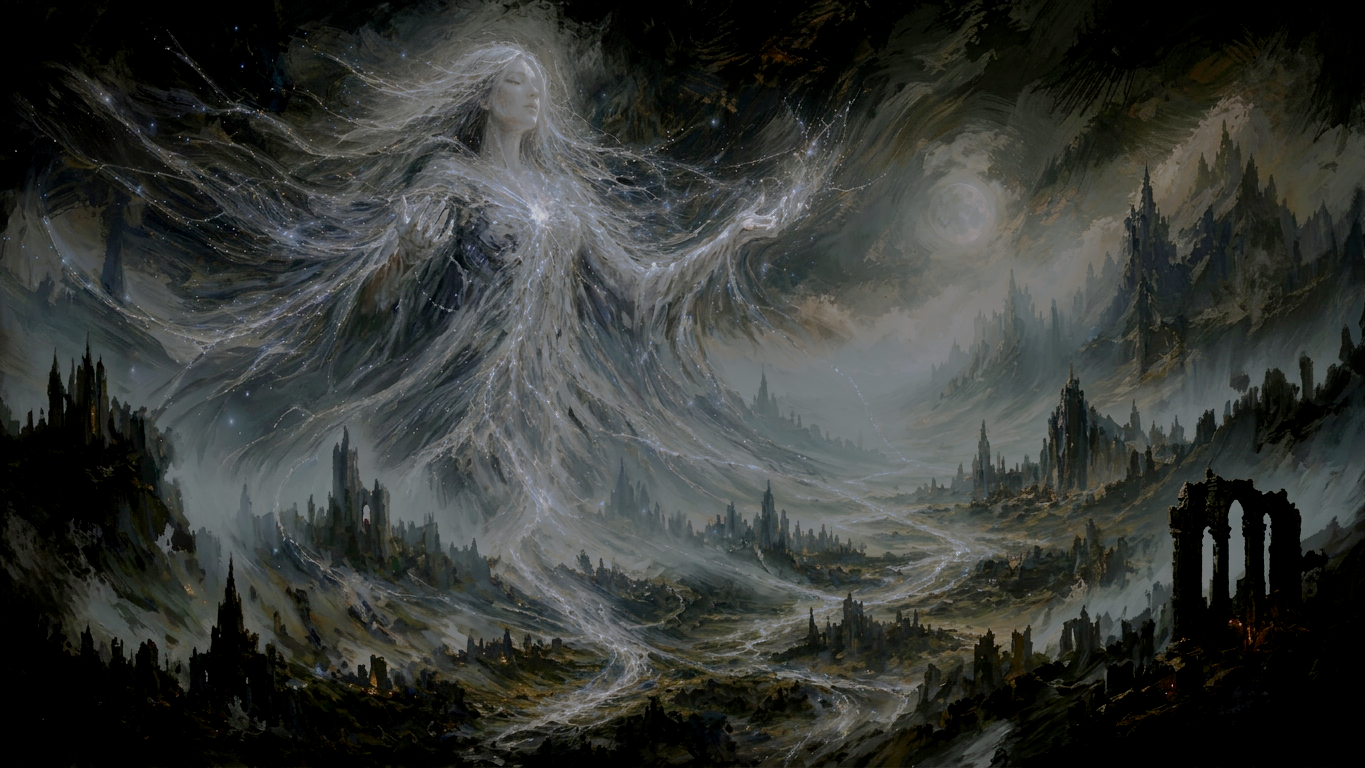
The first appearance of a soulmark is never just a private wonder. It is the beginning of interpretation. Birth is not considered complete in a social and theological sense until the mark has answered. A child may breathe, cry, and be warmed, yet families still wait in suspended uncertainty until moonlight, sanctified flame, or rite exposure reveals what Path has taken hold. Until then, the child is alive, but not yet legible.
The interval between birth and revelation that is often called the first stirring, the inward quickening, or, in older shrine language, the listening under the skin. The child may grow unusually quiet for a few breaths. Their body may hold a strange stillness that does not resemble distress. Alternate stillness can be atmospheric: a pause in the room, a hush among those gathered, the feeling that something has leaned close enough to notice. It is the soul settling into visible relation with the Weave.
Arynbel has long understood the mark not as something that appears without warning, but as something preceded by inward alignment. The mark answers outwardly only after something deeper has already begun. A soulmark is not understood as a wound, a tattoo, a hereditary stain, or a sign summoned by mortal craft. It is the first visible declaration that a life has been read by the Weave and placed into pattern. The Conclave teaches that the mark does not invent purpose. It declares what was already inscribed in the unseen architecture of the soul. In this sense, the first appearance of the mark is not treated as transformation, but as unveiling. But when the mark first answers, everyone present understands the same thing:
The child has become legible.
And Arynbel will never again leave them unread.
In Arynbel, a soulmark is not believed to be made. It is revealed.
Elara’s Gift: The Soulmark
-
![Crown soulmark symbol from Chronicles of Arynbel, shown as a circular grey emblem with a black crown-like sacred glyph.]()
Path of the Crown
-
![Blade soulmark symbol from Chronicles of Arynbel, shown as a circular pale blue emblem with crossed black blades.]()
Path of the Blade
-
![Flame soulmark symbol from Chronicles of Arynbel, shown as a circular gold emblem with a black flame glyph.]()
Path of the Flame
-
![Root soulmark symbol from Chronicles of Arynbel, shown as a circular green emblem with a black tree glyph.]()
Path of the Root
-
![Tide soulmark symbol from Chronicles of Arynbel, shown as a circular purple emblem with a black flowing glyph.]()
Path of the Tide
-
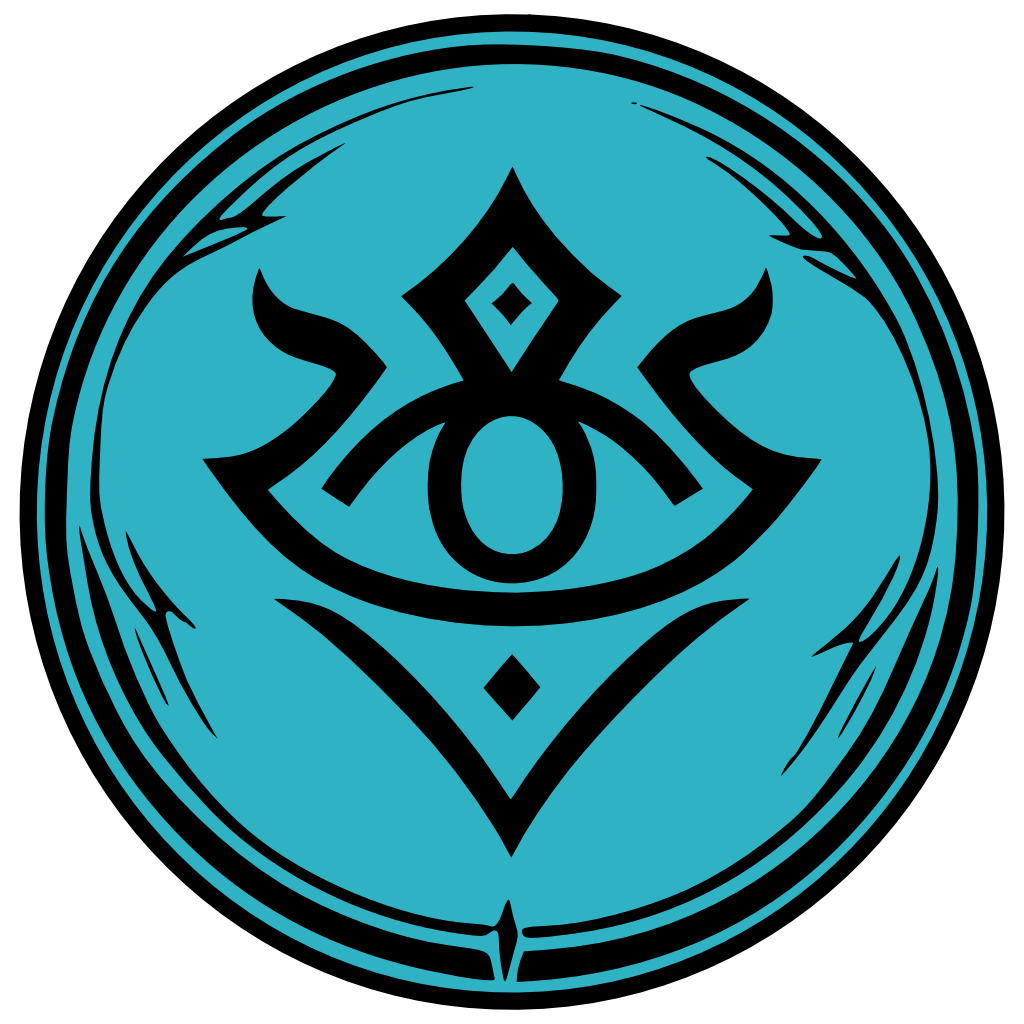
![Veil soulmark symbol from Chronicles of Arynbel, shown as a circular blue emblem with a black eye-like glyph.]()
Path of the Veil
-
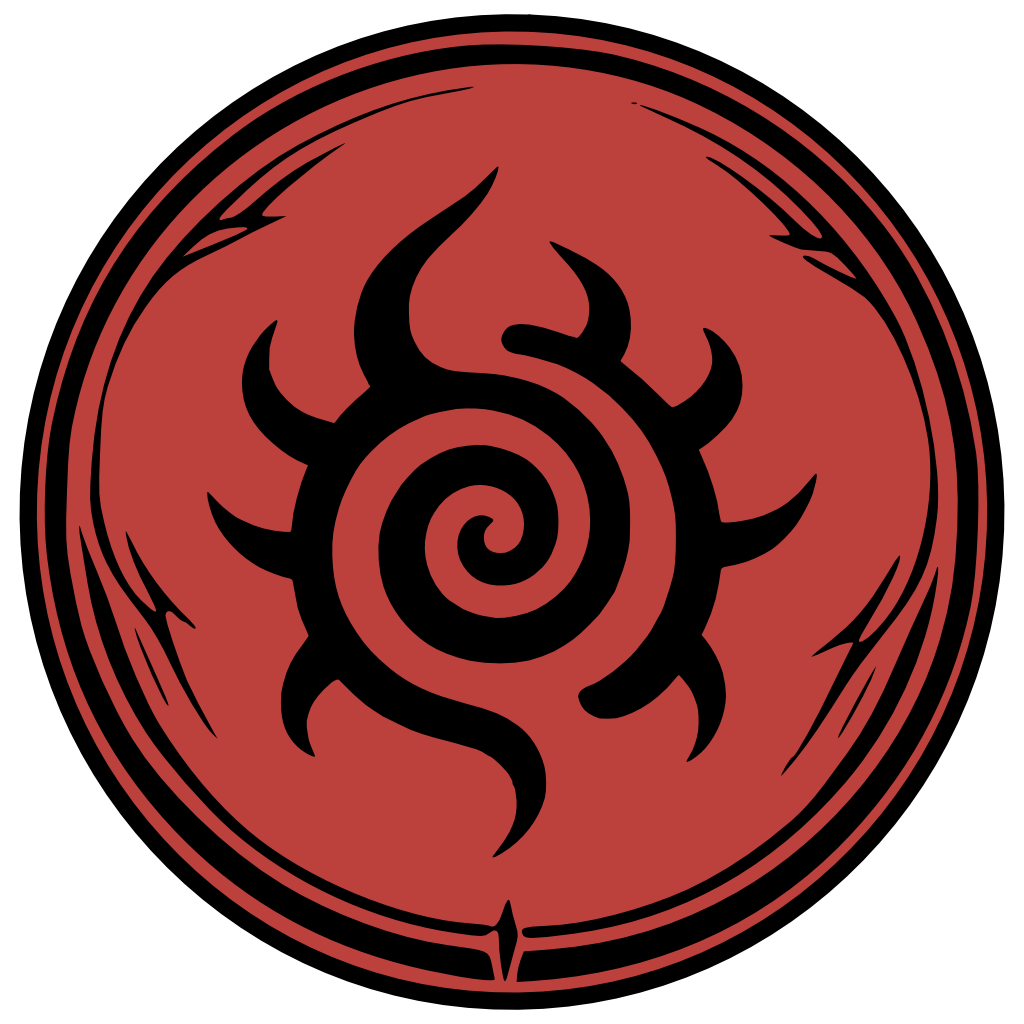
![Thorn soulmark symbol from Chronicles of Arynbel, shown as a circular red emblem with a black barbed spiral glyph.]()
Path of the Thorn
-
![Pale Sigil soulmark symbol from Chronicles of Arynbel, shown as a circular pale emblem with a faint black sacred glyph.]()
Path of the Pale Sigil






How a Soulmark is Declared Legible
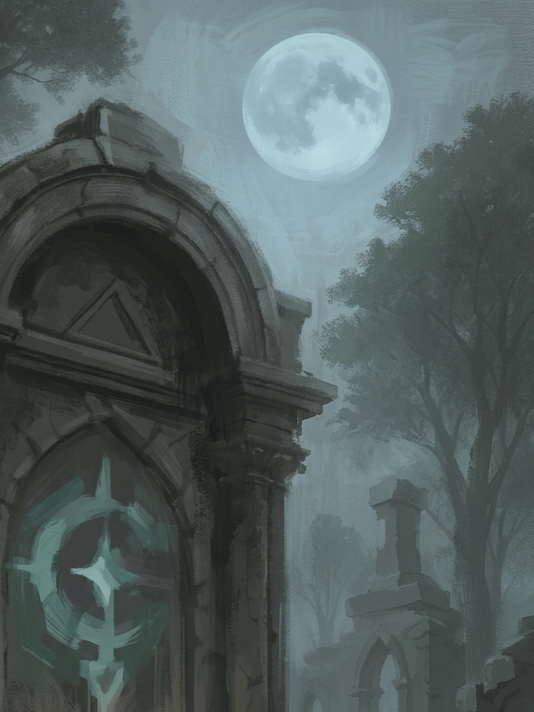
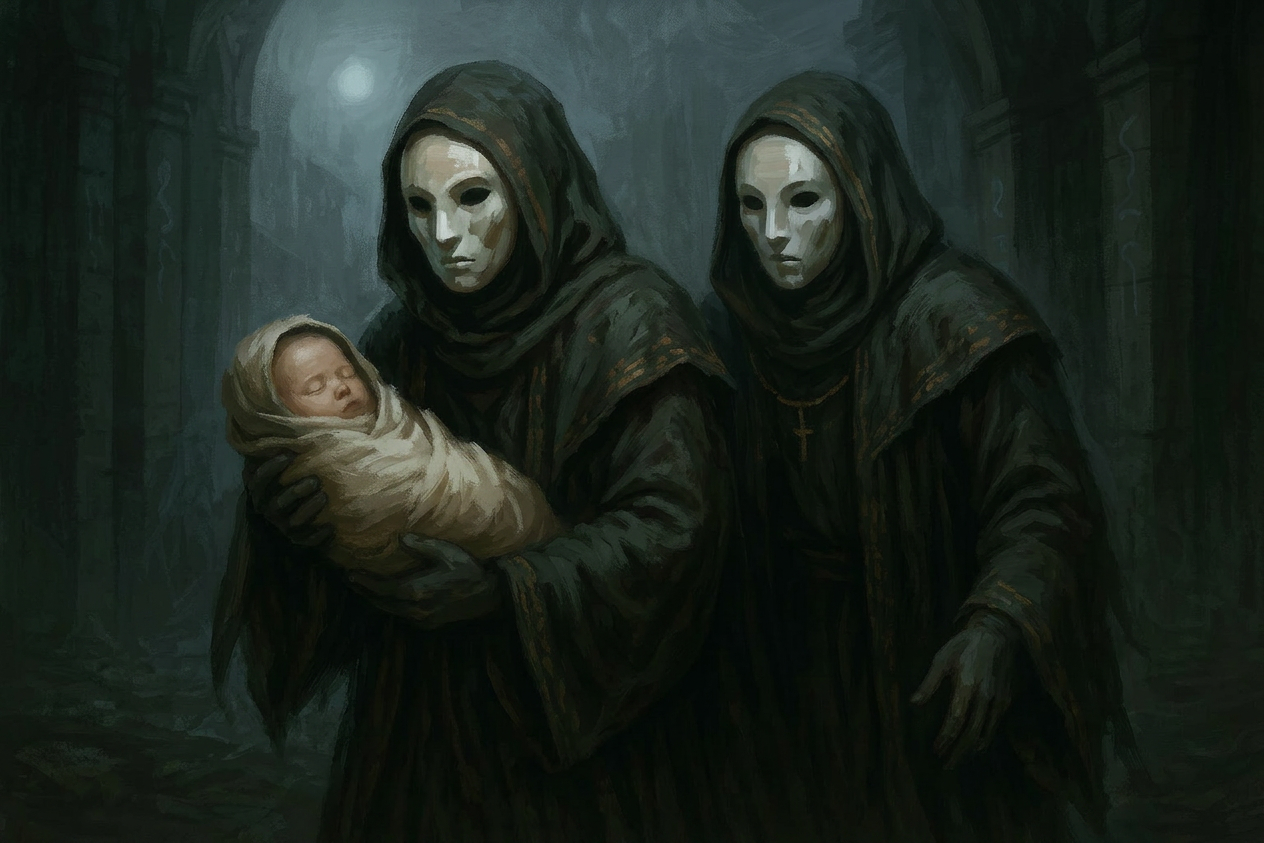
Across Arynbel, families still carry newborns to windows, thresholds, courtyards, roof openings, shrine pools, or moon-facing chambers in order to witness the first answer of the flesh. This practice is not merely custom. It is one of the central foundations of sacred legibility within the soulmark system. To be seen beneath moonlight is, in many regions, almost synonymous with being truly known.
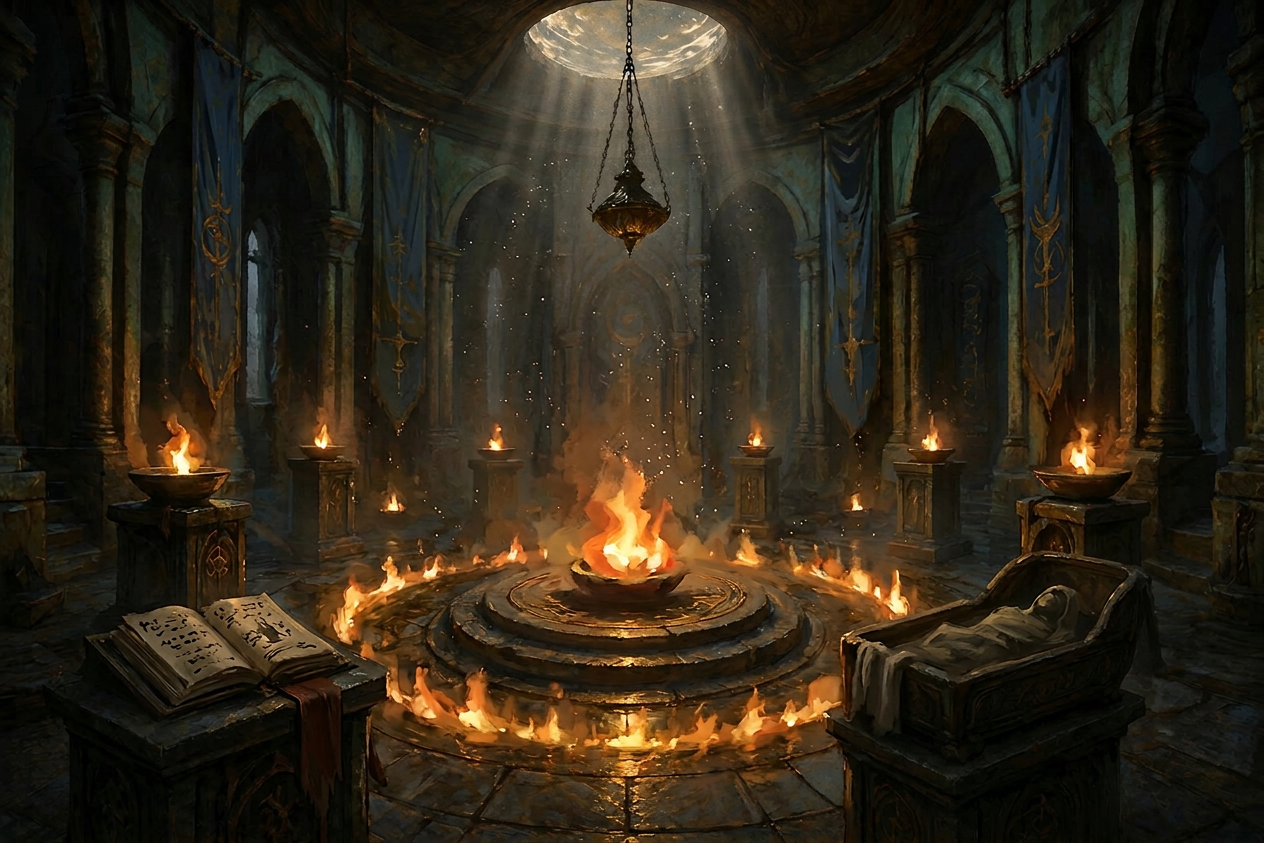
When moonlight is unavailable, Arynbel turns to a practice known as ritefire exposure. This practice is in which the newborn is held near sanctified flame within a properly prepared shrine or chamber. The Conclave does not regard ordinary hearthfire as sufficient. The flame must be blessed, witnessed, and aligned through invocation.
Once verified under moonlight or sanctified flame, the first appearance of a soulmark is almost always recorded; proper record of first appearance usually includes the date, region, phase or quality of moon exposure, visible Path geometry, placement, glow colour, any unusual flaring, and names of those who witnessed the revelation. It is only then, a child is named, as naming a child before the mark answers is to speak too soon. As though household desire had moved ahead of divine declaration. Once the mark appears, however, the naming changes tone. The family is no longer speaking into uncertainty. It is answering what has already been revealed.
What happens if the Rite fails?
Repeated Opportunities
Not every mark reveals cleanly in the first moments after birth. Some require longer moon exposure. Some appear only when the child has settled from crying. Others are delayed by difficult labour, poor weather, bodily weakness, or conditions later interpreted as Path-related subtlety. In most sanctified practice, a child is given repeated opportunities for revelation before any darker conclusion is named.
In the Absence of a Divine Path
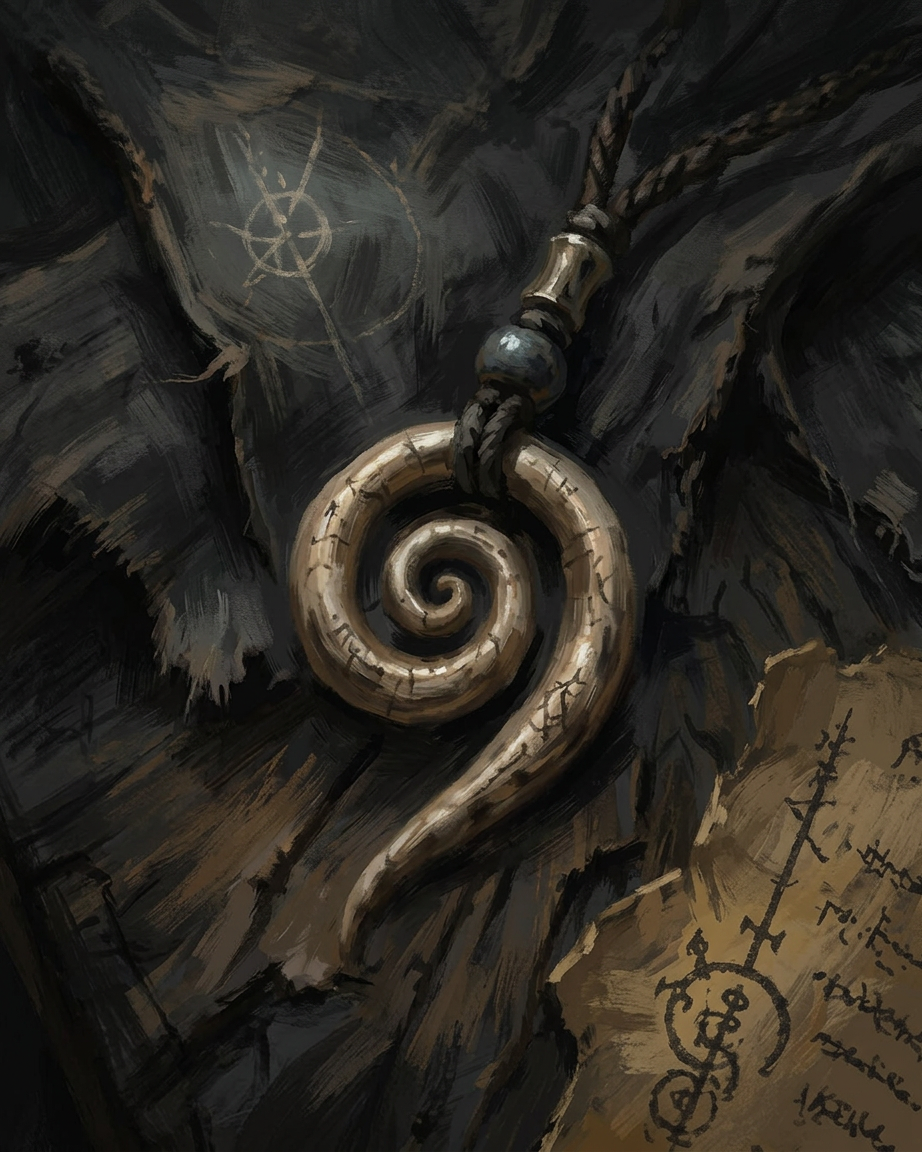
Though denied a soulmark, the Hollowborn are not empty. Their silence is not void, not lack in the simple sense the Conclave prefers, but a condition for which the kingdom’s doctrine was never prepared. Where the marked are bound visibly into the Weave, the Hollowborn remain unanchored, leaving within them a stillness that the world does not know how to read or seal. That stillness becomes a threshold.
Hollowborn are then hidden, smuggled, renamed, hunted, sheltered, traded, betrayed, studied, and remembered in fragments. Some are passed off as unstable Pale Sigil children, others concealed behind forged markes and carefully managed moonlight.
To be Hollowborn
“When a life cannot be read, the fearful call it empty. The wiser ask what language failed before the child did.”
— Fragment from restricted Conclave commentary, attribution disputed
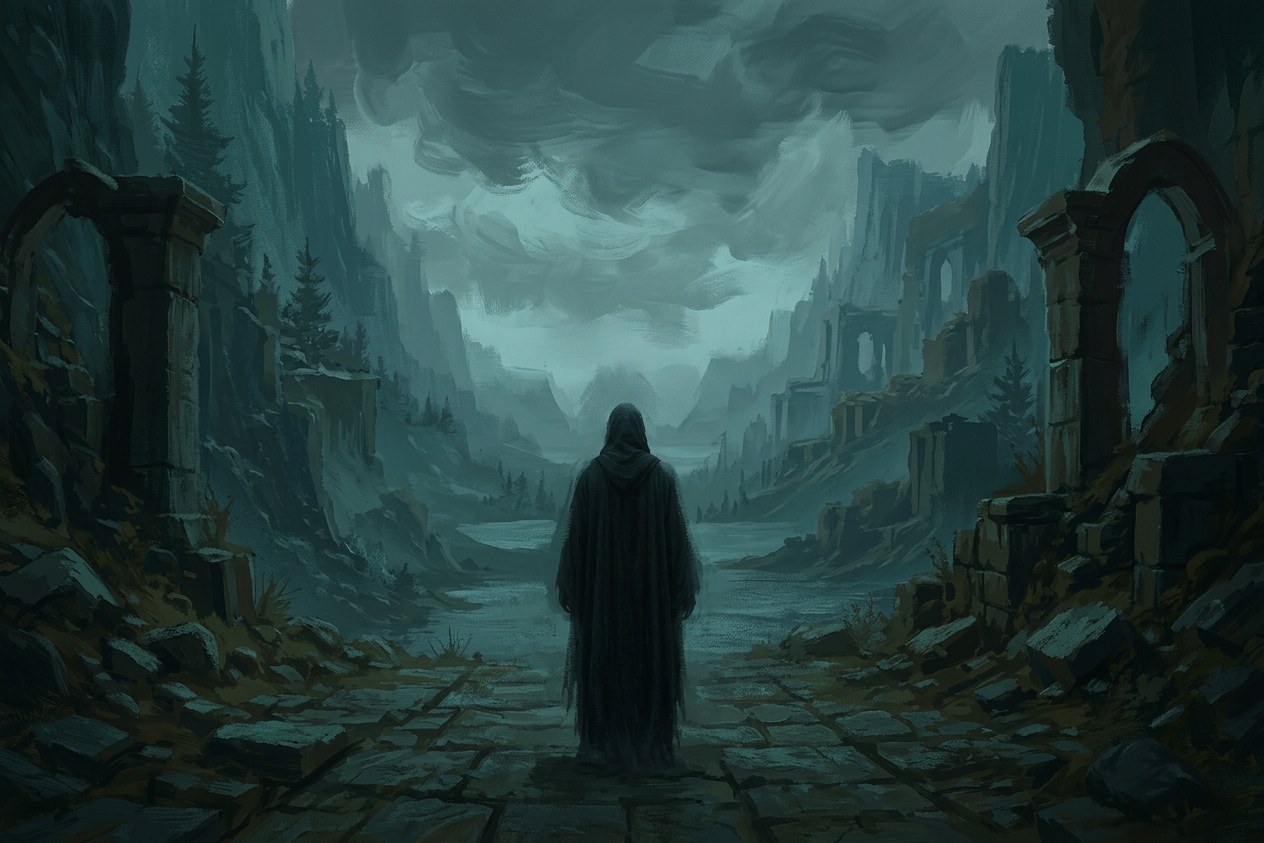
To be Hollowborn is to exist without tether, unbound by the Weave, untouched by fate, and unread by the systems upon which Arynbel built its sense of order. It is not simply the absence of a soulmark, as though something expected failed to appear and nothing more. It is the absence of placement itself. No path stirs beneath the skin. No divine warmth gathers in the chest. No hidden geometry waits beneath moonlight to sharpen into meaning. When sacred flame is raised and the body is examined beneath ritual light, nothing answers. The flesh remains silent. The soul offers no visible alignment. In a kingdom where every life is expected to arrive already inscribed, the Hollowborn appear as lives that entered the world without being written.
To live as Hollowborn is therefore to endure more than exclusion. It is to move through a world that continually experiences one’s existence as unresolved. The marked are met with assumptions, however burdensome. Their soulmarks tell others how to begin reading them. The Hollowborn are met first by hesitation. Priests cannot confirm them. Registries cannot properly place them. Families cannot interpret them through inherited expectation. Institutions cannot easily decide whether they are to be ignored, corrected, hidden, studied, feared, or erased. This uncertainty follows them into every threshold of life. They do not simply lack privilege within the system. They trouble the system’s ability to decide what they are within it.
And yet the Hollowborn endure.
They endure not because Arynbel has made room for them, but because life persists even where doctrine cannot account for it. Wherever the Hollowborn go, one fact remains: their existence carries a weight greater than any single life should be made to bear, because Arynbel keeps trying to make them answer for a fracture that was never theirs alone. To be Hollowborn is to grow up inside a question no one else wants to ask honestly.
Relationships Between the Marked and Unmarked
-

The Flame
Theologically, the Flame exists to purify what does not align with divine order. Because the Hollowborn stand outside the soulmark system altogether, they are frequently interpreted within orthodox, and Aurent frameworks as impurity requiring correction. A Flame bearer may genuinely believe they are saving the world while burning through the vulnerable. What the bearer believes purification means will shape everything that follows. Whether the Flame will continue to burn primarily in service of eradication, or gradually be reclaimed as a force of restoration, remains one of the most important tensions within the Path itself.
-

The Crown
Theologically, the Crown represents ordered fate at its most refined. The Hollowborn represent its most troubling interruption. Though If the Crown signifies responsibility for the whole of Arynbel, rather than privilege over its approved parts, then its absence in current day while Hollowborn persecution continues, becomes deeply unsettling. Officially, the Hollowborn remain outside the structure the Crown once sanctified.
-

The Blade
The Blade is framed not as privilege, nor as a mark of personal glory, but as necessary severity. It is often positioned as the executor of judgement rather than its author. It acts in service of order, not appetite. It enforces judgement once rendered, and protects structure once named. Hostility toward the Hollowborn is therefore often less instinctive, than cultivated through repeated doctrinal reinforcement. Yet the Path itself does not inherently mandate hatred. It mandates defence.
-

The Thorn
The Thorn shares a quiet kinship with the Hollowborn. Both are mistrusted by broader society. Both are often read first as problem, uncertainty, or threat before being allowed to exist as persons. Both learn quickly that survival within rigid structures may require concealment, adaptation, and a careful management of what is revealed to power. For this reason, Thorn-marked individuals often display greater tolerance toward Hollowborn than many other Paths, not necessarily from doctrine, but from recognition.
-

The Root
The Root shares no inherent opposition to the Hollowborn. Historically, many communities have relied on Root bearers for covert assistance, food distribution, discreet employment, structural shelter, and the repair of places official society preferred to leave broken. Root-marked bearers are more likely to ask who requires shelter, food, work, mending, or quiet assistance. The Root often helps not because it is ideologically rebellious, but because sustaining life feels more immediate and legible than abstract judgment. Root-marked individuals often display a practical compassion toward the unmarked, especially in daily life. However, Root bearers may enforce Hollowborn exclusion out of loyalty to structure rather than personal malice. Their kindness is practical, but so is its compliance.
-

The Tide
The Tide Path holds no inherent doctrinal opposition to the Hollowborn. In practice, Tide-marked individuals often show curiosity before fear, and interest before immediate condemnation. Many Hollowborn stories survive only because Tide bearers chose to listen, remember, and record them when others preferred silence. Tide bearers may preserve the truth of persecution and spread it across provinces, while leaving the practical burden to those who cannot move on. Their sympathy is real. So is their instinct to keep travelling. In a kingdom where the Hollowborn are often erased, misnamed, or spoken for by enemies, the Tide can act as one of the few Paths willing to let their stories travel intact.
-

The Veil
The Veil Path holds a uniquely complex relationship with the Hollowborn. Because Veil-marked individuals perceive boundary instability rather than simple doctrinal absence, many recognise that the Hollowborn do not radiate emptiness in the way temple rhetoric often claims. The Hollowborn radiate difference, discontinuity, and unresolved relation to the Weave. This distinction matters. Veil-marked individuals appear again and again as those most likely to hesitate before condemning the Hollowborn as monsters. The Veil listens for the failures within the Weave. As such, it makes the Path one of the few still capable of noticing that the gap with Hollowborn may not be what Arynbel has been taught to believe.
-

The Pale Sigil
The relationship between the Pale Sigil and the Hollowborn is deeply contested. Some scholars have argued that the two are opposite expressions of the same fracture, one defined by omission and the other by incomplete inscription. However, Pale-marked individuals often show unusual empathy toward Hollowborn. Whether this stems from shared marginalisation, mutual recognition, or some deeper metaphysical kinship remains uncertain. Some Pale-marked individuals appear able to sense that the Hollowborn are not a simple absence in the doctrinal sense, but sites of unresolved relation to the Weave. The Sigil seems unable to remain neutral, it questions. It does not sit comfortably within orthodox rejection, nor does it offer easy solidarity free of risk.